

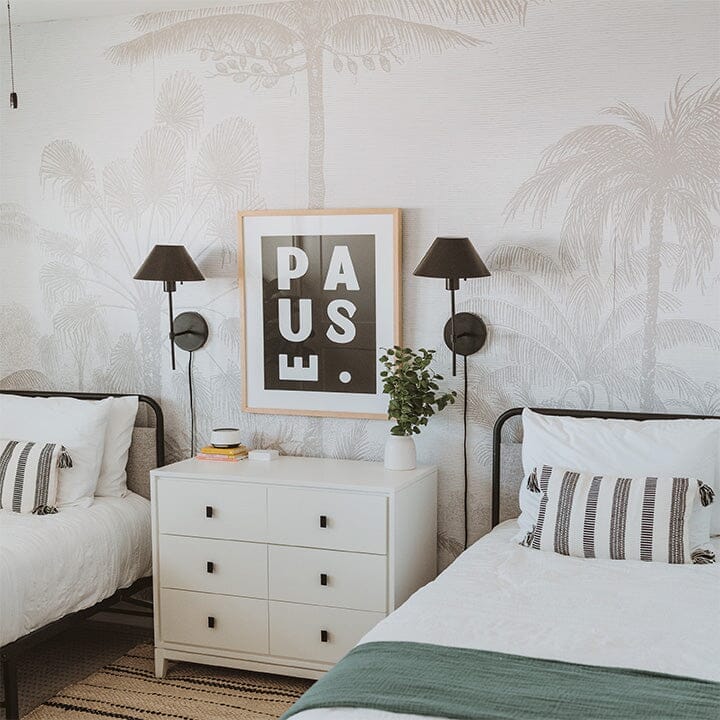

Grey might be considered a neutral, but that doesn’t mean it has to disappear into the background. The right grey can make a room feel soft and relaxed, warm and inviting, clean and modern, or wonderfully dramatic. It all depends on the shade you choose and, just as importantly, what you put around it.
Warm greys can sit beautifully alongside cream, beige and natural wood, while cooler greys work well with crisp whites, blues and stronger contrast. Move into charcoal and suddenly grey becomes less of a supporting colour and more of the main event.
The key to decorating with grey is to pay attention to its undertones and build the rest of the room around them. Rather than trying to create an entirely grey room, use wallpaper, wall decals or a mural as the starting point and layer in warmth, texture and colour.
If grey is already part of the plan, browse our Grey Wall Decor Collection to explore grey wallpaper, wall decals and murals available from Urbanwalls Canada.
Why Does Grey Work So Well in Interior Design?
Grey gives you the flexibility of a neutral without limiting you to white or beige. It can provide a quieter backdrop for colourful furniture and accessories, or become the focal point when you choose a larger pattern or deeper charcoal shade.
The way grey is being used in interiors has also changed. Instead of pairing grey walls with grey flooring, grey furniture and more grey accessories, try balancing it with natural wood, warm whites, cream, brown and other colours. The contrast keeps the room from feeling flat and gives the grey more dimension.
Grey can also bridge different colours within the same space. If you have warm wood furniture but cooler tile or countertops, for example, the right grey can help those elements feel more connected.

How to Choose the Right Shade of Grey
Before choosing grey wallpaper or wall decor, look at the permanent elements in the room. Flooring, countertops, tile, cabinetry and large pieces of furniture can all influence how a grey appears.
Warm Grey
Warm grey usually has beige, brown or taupe undertones. It’s a great option if you love neutral interiors but want a little more contrast than cream or beige provides.
Pair warm grey with oak, walnut, cream, warm white, camel, cognac and other earthy shades for a softer, layered palette.
Cool Grey
Cool grey may have blue, green or silver undertones. These shades can feel crisp and modern, especially when paired with white, black, blue or cooler wood tones.
Lighting matters here. A grey that looks neutral in bright daylight can appear considerably cooler in a room with limited natural light, so it’s worth seeing the colour in your own space before committing.
Charcoal and Dark Grey
Charcoal takes grey in a bolder direction. It creates contrast and can make wallpaper or a mural feel much more dramatic.
You don’t need to cover the entire room in a dark grey to get the effect. A charcoal feature wall behind a bed, sofa or dining table can add plenty of depth while lighter walls and furniture keep the room balanced.
Greige
Can’t decide between grey and beige? You don’t necessarily have to.
Greige sits somewhere between the two and can be especially useful in homes that already have a mix of warm and cool finishes. It gives you the versatility of grey with some of the warmth associated with beige.
What Colours Go With Grey?
One of grey’s biggest advantages is how many other colours it can work with.
For a warm, relaxed room, try combining grey with cream, warm white, beige, camel, chocolate brown or natural wood. Muted green and blue can introduce colour without creating too much contrast, while blush can soften the overall palette. Black gives grey a more graphic look, and brass or other warm metals can help counter cooler undertones.
If your grey room still feels a little flat, consider texture before adding another colour. Linen, wool, wood, woven baskets and other natural materials can bring dimension to a neutral palette without making the room feel busier.
You also don’t need every neutral in the room to match. Mixing grey, cream, beige and wood tones can make the space feel more collected and interesting than using one shade everywhere.
5 Ways to Decorate With Grey Walls
There are plenty of ways to introduce grey without painting every wall. How much grey you use depends on whether you want it to be a subtle backdrop or one of the first things you notice when you walk into the room.
1. Create a Grey Wallpaper Feature Wall
Wallpaper adds pattern and movement to a colour that might otherwise feel quiet. A grey floral can create a softer, romantic room, while stripes offer a cleaner look. Botanical and abstract patterns can add visual interest without introducing a long list of additional colours.
A feature wall behind the bed is a natural choice, but grey wallpaper can also work beautifully behind a bathroom vanity, dining area, desk or nursery furniture.
Think about the scale of the pattern too. Smaller repeating designs generally create a quieter overall effect, while larger-scale patterns can make the wall more of a statement.
2. Add Grey With Wall Decals
If you like the idea of grey but don’t want full-wall coverage, wall decals let you decide exactly how much you want.
Spread individual decals farther apart for a lighter look with plenty of the original wall showing, or bring them closer together when you want the design to have more impact. You can also arrange them around furniture rather than designing the room around a fixed pattern.
This can be especially useful in nurseries and kids’ rooms, where you may want to add personality without completely covering the wall.
3. Let a Grey Mural Become the Artwork
A wall mural creates a different effect from repeating wallpaper. Instead of a pattern continuing across the wall, a mural creates one larger composition that can become the focal point of the room.
Try a grey mural behind a bed, sofa, dining table or desk, then keep the surrounding decor a little quieter. If the mural already has plenty of detail, you may find that you need very little additional wall art.
It’s an easy way to make grey anything but boring.
4. Warm Up Grey With Natural Materials
If you’re worried about grey feeling cold, look at the materials around it.
Oak and walnut furniture, linen, cream upholstery, woven baskets and warm lighting can completely change the way a grey wall feels. Camel, cognac and chocolate brown are also useful for adding depth to an otherwise neutral room.
This approach is particularly helpful if you already have cool grey flooring, tile or furniture that isn’t going anywhere. Instead of adding more cool grey, use warmer materials to balance what you already have.
5. Use Grey as a Backdrop for Colour
Grey doesn’t have to be the star of the room. Sometimes its best job is making another colour stand out.
Muted green, dusty blue, blush, rust and deeper earthy shades can all work beautifully against grey. You can introduce those colours through bedding, furniture, rugs or smaller accessories rather than adding them to the walls.
Instead of asking how to make everything in the room match the grey, think about what you want the grey to help highlight.
Grey Wall Decor Ideas for Every Room
Grey Bedroom Ideas
Grey works particularly well in bedrooms because it can add depth without demanding too much attention. For a softer bedroom, choose a warmer grey and pair it with cream bedding, natural wood and textured fabrics.
If you prefer something moodier, a charcoal feature wall can create a stronger focal point. Keep the surrounding bedding and furniture lighter if you want more contrast.
Grey Nursery Ideas
Grey can give a nursery a versatile starting point that works with plenty of other colours. Pair it with warm white and natural wood for something neutral, or introduce soft green, blue or blush for more personality.
Wall decals are another option when you want some grey in the room without covering an entire wall.
Grey Bathroom Ideas
Bathrooms are a great place to experiment with pattern because the walls often have fewer furnishings competing for attention. A grey wallpaper can add character while still working with a relatively neutral palette.
Pay close attention to the tile, vanity and countertops before choosing your grey. Putting two different grey undertones next to one another can make their differences much more noticeable.
Grey Living Room Ideas
In a living room, start with the largest pieces you already own. Your sofa, flooring, rug and furniture can help determine whether a warm, cool or deeper grey will work best.
If the furniture is mostly solid, a patterned grey wallpaper or mural can bring more movement into the room. If your rugs and textiles already contain several patterns, you may prefer something quieter on the walls.
Grey Home Office Ideas
A grey feature wall can create an interesting backdrop for a home office without making the space feel overly busy. Choose a softer pattern if you want a calm work environment, or use a bolder mural or wallpaper if the wall behind your desk needs more personality.
Bonus points if it also happens to improve your video-call background.
How Do You Keep a Grey Room From Looking Dull?
The quickest way to make a grey room feel flat is to use the same tone and texture everywhere.
Instead, create contrast. Combine lighter and darker shades, smooth and textured materials, and cooler grey with warmer wood or fabrics. Even a completely neutral room can feel layered when it contains cream linen, a walnut table, a woven basket and a patterned grey wall.
Lighting also makes a difference. Warm lamps and softer bulbs can change the way grey appears in the evening and make a cooler palette feel more inviting.
Grey works best when it has something to play against. The wall can provide the neutral foundation, while the rest of the room brings in the warmth and personality.

Should You Order a Sample Before Choosing Grey Wallpaper?
Yes. Grey is one of those colours that can be particularly difficult to judge accurately on a screen because its undertones change depending on the surrounding light and colours.
Place your wallpaper sample on the wall you’re actually planning to decorate. Look at it in the morning, afternoon and evening, then check it again with your lights turned on at night. Compare it to the flooring, furniture, trim, cabinetry and textiles that will remain in the room.
A grey that appears warm in one home can look noticeably cooler in another. Seeing the material in your own space is the easiest way to know what you’re really getting.
Frequently Asked Questions About Decorating With Grey
What colours look best with grey walls?
Grey pairs well with cream, warm white, beige, natural wood, camel, chocolate brown, muted green, blue, blush and black. The best pairing depends on whether your grey has warm or cool undertones and how you want the room to feel.
How do you make a grey room feel warmer?
Add natural wood, warm white or cream textiles, woven materials and warmer lighting. Camel, cognac, brown and other earthy colours can also balance cooler grey tones.
Is grey still a good colour for interiors?
Grey remains a versatile neutral, particularly when it’s combined with warmer materials, texture and other colours rather than used throughout an entire room in the same tone.
What’s the difference between warm grey and cool grey?
Warm grey generally has beige, brown or taupe undertones, while cool grey may have blue, green or silver undertones. Natural and artificial lighting can make these undertones more noticeable.
Can you decorate with grey and beige together?
Yes. Grey and beige can create a beautiful layered neutral palette, especially when you include natural wood, cream and other warm materials. A warmer grey or greige can help connect the two colours.
Is grey wallpaper good for a bedroom?
Grey wallpaper can work beautifully in a bedroom because it introduces pattern while maintaining a relatively neutral palette. Warmer greys tend to create a softer look, while charcoal and darker greys can make the room more dramatic.
Should I order a grey wallpaper sample before buying?
Yes. Viewing a sample in your own room allows you to see how the grey’s undertones respond to your lighting, flooring, furniture and other finishes before committing to a larger installation.

Find the Grey That Works for Your Home
Grey doesn’t have to be cold, flat or predictable. It can be soft and subtle, dark and dramatic, patterned and playful, or simply the neutral backdrop that allows everything else in the room to shine.
Start by looking at what already exists in your space. Your lighting, flooring, furniture and other finishes will help determine whether a warm grey, cooler grey or deeper charcoal makes the most sense. From there, decide how much grey you actually want. Wall decals can introduce just a little, wallpaper can add repeating pattern, and a mural can transform the entire wall into a focal point.
There’s a lot more room to play in the grey area than you might think.
Explore our Grey Wall Decor Collection to shop grey wallpaper, wall decals and murals available from Urbanwalls Canada.


