Interior Decor Trends
For the latest scoop on interior design ideas, trends, colours, styles and DIY, take a read through our most recent blog posts.
Pinterest-Worthy Inspiration
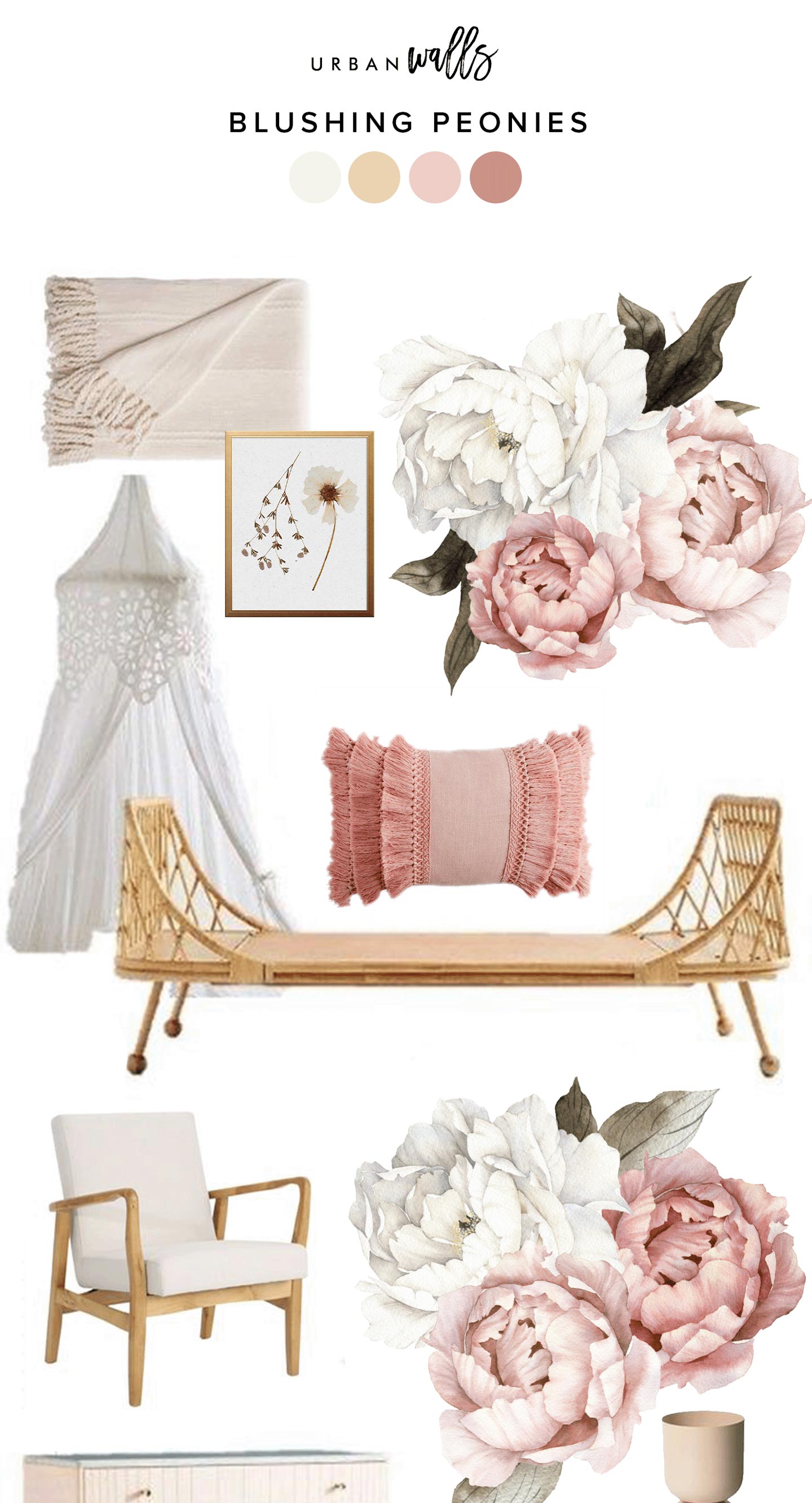
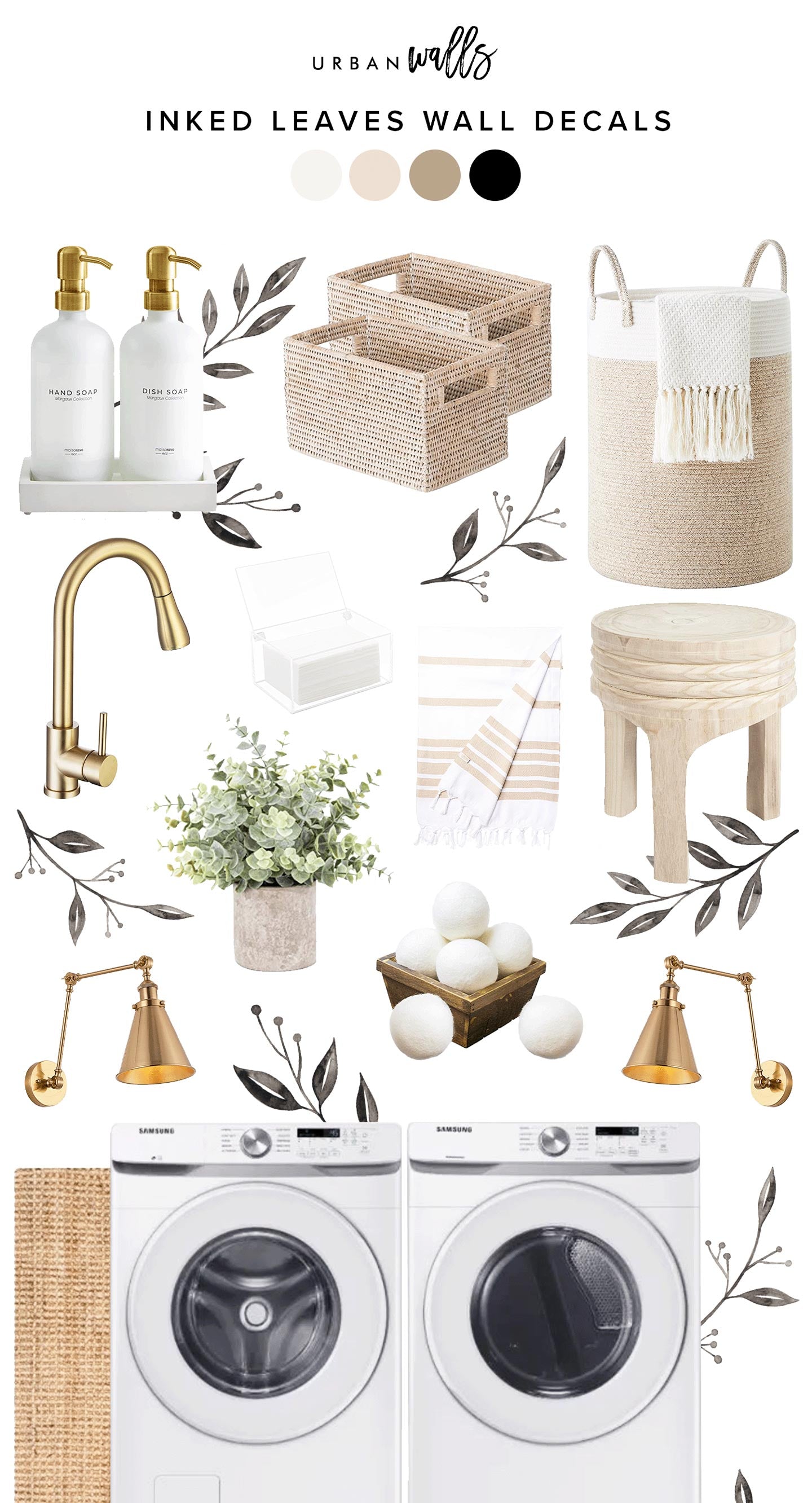
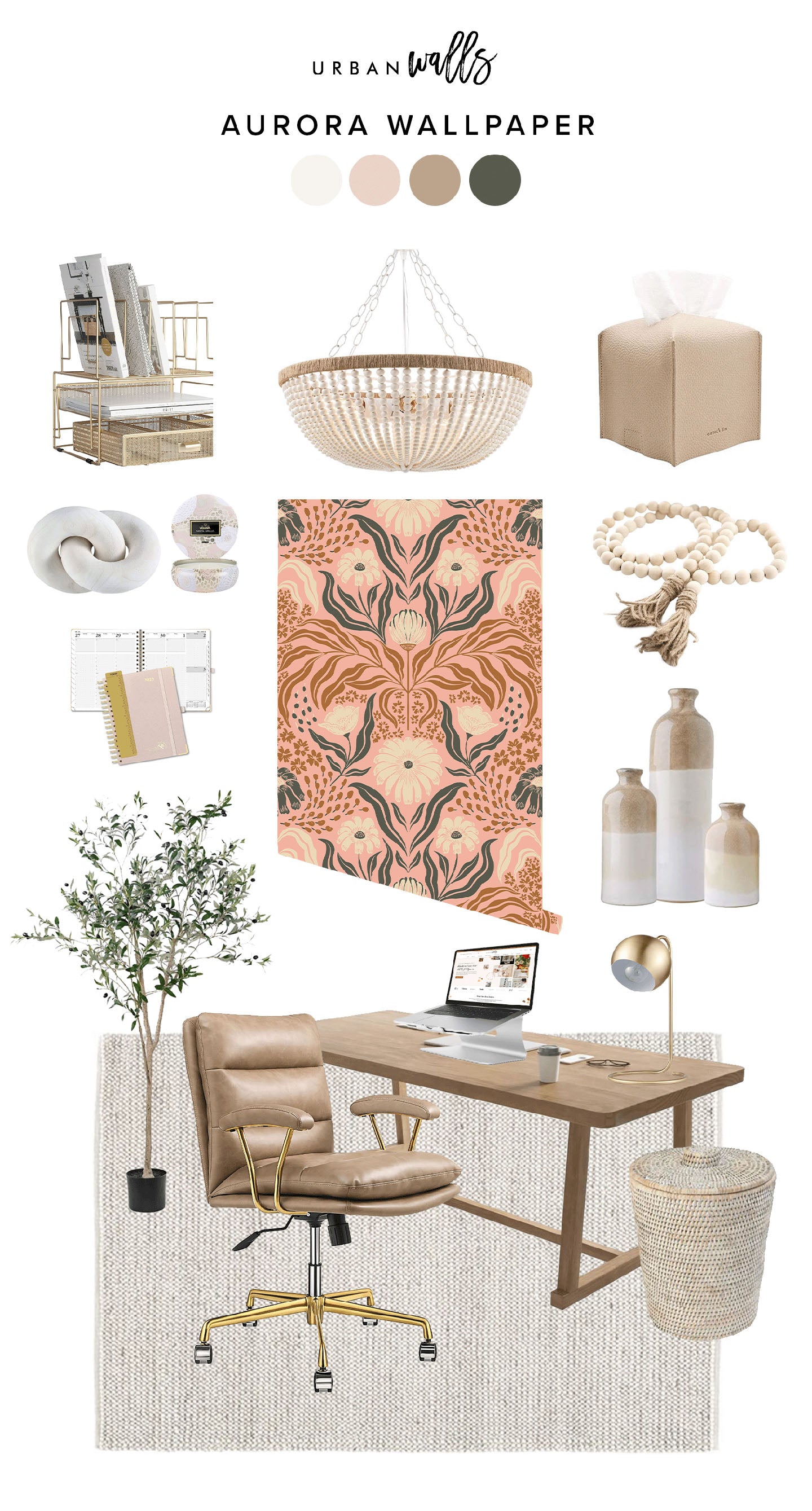
Unsure where to begin? Dive into our collection of customer favorites and discover how others have styled their spaces. Whether you're creating a cozy nook or making a bold statement with focal walls, our curated designs offer endless inspiration to help you transform any room.
Shop this look
Shop this look
Shop this look
You May Also Like
Read Our Blog
The Complete Guide to Removing Wall Decals Without Damaging Your Paint
One of the most common questions we hear from customers is: "Will wall decals damage my walls when it's time to remove them?" The good news is that high-quality removable wall decals are designed to come down cleanly when removed properly. Whether you're updating a nursery, refreshing a child's bedroom, moving out of a rental, or simply ready for a new look, wall decals offer flexibility that traditional wall treatments often can't. Here's everything you need to know about removing wall decals safely and protecting your paint in the process. Can Wall Decals Be Removed? Yes. Modern peel and stick wall decals are specifically designed to be removable. Unlike permanent vinyl graphics or traditional wallpaper, removable wall decals use an adhesive that is strong enough to stay in place but gentle enough to be removed when you're ready for a change. The secret isn't special tools. It's patience. When removed correctly, most decals can be taken down without damaging properly prepared walls. Why Homeowners Love Removable Wall Décor One of the biggest advantages of wall decals is their flexibility. At Urbanwalls, customers often choose removable wall decals because they can easily update their spaces as their needs change. Common reasons people remove wall decals include: Transitioning a nursery into a toddler room Updating a child's bedroom Moving to a new home Preparing a home for sale Refreshing seasonal décor Installing wallpaper Redesigning a room as family needs evolve Because decals aren't permanent, your walls can evolve with your style. Will Wall Decals Damage Paint? In most situations, no. Wall decals generally remove cleanly when: The wall was properly painted and allowed to fully cure The paint is in good condition The wall was clean before installation The decal is removed slowly and carefully It's important to remember that poorly adhered paint, damaged drywall, or freshly painted walls can be vulnerable regardless of the wall décor being used. For best results, we recommend waiting at least 30 days after painting before installing wall decals. How to Remove Wall Decals Step by Step Step 1: Warm the Decal Using a hair dryer on a low heat setting, gently warm a section of the decal. Heat helps soften the adhesive and allows the decal to release more easily. Keep the dryer moving and avoid concentrating heat in one area. Step 2: Lift a Corner Using your fingernail, carefully lift one corner of the decal. Avoid using sharp tools that could scratch or damage the wall. Step 3: Pull Slowly Once you've lifted the edge, slowly pull the decal away from the wall at approximately a 45-degree angle. This is the most important step. Slow removal helps minimize stress on the paint surface and allows the adhesive to release gradually. Step 4: Continue Applying Heat As you continue removing the decal, keep applying gentle heat ahead of where you're pulling. This helps make the process smoother and easier. Step 5: Clean Any Remaining Residue Most decals remove cleanly. If any adhesive remains, simply wipe the area with warm water and a soft cloth. For stubborn residue, a small amount of mild soap may help. Real-Life Example: Updating a Nursery Many families choose wall decals when decorating a nursery because they're beautiful, affordable, and easy to install. As children grow, decorating needs often change. One of the biggest benefits of removable wall decals is that they allow parents to update a room without needing to repaint or completely redesign the space. A nursery can easily transition into a toddler room, and later into a child's bedroom, with simple décor updates along the way. How to Remove Older Wall Decals Older wall decals may require a little extra care. Over time, adhesive can become less flexible, especially in rooms with significant sunlight exposure or changing temperatures. If you're removing older decals: Apply additional heat Work in smaller sections Pull slowly and steadily Avoid sudden tugs With patience, most older decals can still be removed successfully. Wall Decals vs Wallpaper: Which Is Easier to Remove? Many homeowners wonder how wall decals compare to wallpaper when it comes to removal. Wall Covering Removal Difficulty Wall Decals Easiest Peel and Stick Wallpaper Moderate Traditional Wallpaper Most Time Intensive Because decals only cover portions of a wall, removal is typically faster and simpler than removing wallpaper. How to Remove Wall Decals in a Rental Property Wall decals remain one of the most renter-friendly decorating options available. They allow renters to personalize bedrooms, nurseries, offices, and living spaces without making permanent changes. When it's time to move: Remove decals slowly Use gentle heat Inspect the wall as you go Wipe away any residue Many renters choose removable wall decals specifically because they offer decorating freedom without the commitment of paint or permanent wallpaper. Common Mistakes to Avoid Pulling Too Quickly Fast removal increases the chance of paint lifting. Slow and steady is always best. Skipping the Heat Heat helps release adhesive and makes removal much easier. Using Sharp Tools Metal scrapers and knives can damage paint and drywall. Applying Decals to Fresh Paint Always allow paint to cure fully before installation. We recommend waiting at least 30 days after painting. Do wall decals leave residue? Most high-quality removable wall decals remove cleanly. Any remaining residue can typically be removed with warm water and a soft cloth. Can wall decals be reused? Most wall decals are designed for one-time use and are not reusable after removal. How long should I wait after painting before installing decals? We recommend waiting at least 30 days to allow paint to fully cure. Are wall decals renter-friendly? Yes. Removable wall decals are one of the easiest ways to personalize a rental property without making permanent changes. Ready for a New Look? One of the best things about removable wall décor is the freedom to change your mind. Whether you're updating a nursery, redesigning a child's room, refreshing a rental property, or simply ready for something new, removable wall decals make it easy to update your space without the commitment of permanent wall treatments. When one chapter ends, a new design adventure begins.
Learn moreColey Arnold on Creating Space for Ambition, Beauty, and Balance
Some homes are designed to impress. Others are designed to support the life being lived inside them. Coley Arnold’s approach to design is rooted in intention, timeless pieces, and spaces that feel expressive and lived in. As our newest Trendsetter, Coley shares how her personal style, rich color choices, and love of vintage influence the walls she surrounds herself with every day.
Learn moreThe First Yes: How the Garden Room Set the Tone for the Greencrest Collection
The Garden Room wallpaper at Greencrest Manor became more than a design choice. It became a blueprint for how we approach custom wallpaper for meaningful spaces. From selecting a floral pattern that echoes the surrounding gardens to choosing peel and stick wallpaper for flexibility and seasonal use, every detail was intentional. If you’re designing a wedding venue, historic home, or light-filled gathering space, this is your reminder that wallpaper should elevate what already exists. The right pattern does not require a full redesign. It completes the room, enhances natural light, and supports the emotional experience of the space. The Garden Room was our first yes at Greencrest. And sometimes, that first yes sets the tone for an entire collection.
Learn more